
The Power of Owning a Piece of Real Estate: Why Every Wealth Journey Should Include Land
"Wealth is not simply built by what you earn. It is built by what you choose to own."
One of the questions I often ask entrepreneurs is this:
"If your income stopped today, what would still be working for you tomorrow?"
It is a simple question, but it reveals something many people overlook.
For years, I believed that working harder and increasing my income were the keys to building wealth. Like many entrepreneurs, I measured progress by how much business I was doing and how busy my calendar looked. But the longer I stayed on this journey, the more I realized something important.
“Income gives you options. Ownership gives you security”.
Businesses experience difficult seasons. Markets rise and fall, money comes and goes. But ownership, particularly ownership of real estate has consistently proven to be one of the most reliable ways to preserve wealth, create opportunities, and build a legacy that can outlive you. Among all the assets available for long-term wealth creation, land occupies a category of its own.
Land Is the One Asset They Aren't Making More Of
One of the reasons I have such a deep appreciation for real estate is because it obeys a principle that very few assets do.
Scarcity.
Every year, thousands of companies are registered. Governments can print more currency. Financial products continue to evolve. But nobody is creating more land.
Especially not in the locations where people want to live, work, raise families, or establish businesses.
That simple reality explains why land has remained valuable throughout history. As cities expand and populations grow, demand continues to increase while supply remains fundamentally fixed. It is one of the simplest economic principles, yet one of the most powerful drivers of long-term wealth. When you understand this, you stop looking at land as empty space.
You begin to see it as future opportunity.
The Numbers Behind Ownership
I enjoy teaching principles, but I also believe principles should be supported by evidence.
The difference between property owners and non-owners is more significant than many people realize.
According to the Federal Reserve's Survey of Consumer Finances, the median U.S. homeowner had a net worth of approximately $396,200 in 2022, compared to just $10,400 for renters. More recent industry analysis suggests that this gap has widened even further, with homeowners holding roughly forty-three times the wealth of renters.
Although these figures come from the United States, the principle behind them applies almost everywhere.
Ownership changes financial behaviour. When you purchase property, each mortgage payment gradually builds equity. Rent, on the other hand, is an expense that ends with the month.
Research also suggests that homeowners are more likely to invest in other appreciating assets and adopt long-term wealth-building habits. Ownership doesn't merely reflect wealth; it often encourages the behaviours that create it.
Real Estate Rewards Patience
One lesson my own journey has taught me is that real estate is not for people looking for overnight success. I have experienced seasons where construction costs increased unexpectedly. Projects took longer than planned. Unexpected challenges tested both my finances and my patience. Yet every project reinforced one lesson:
“Real estate rewards those who think beyond today”.
It is often described as a hedge against inflation, although research shows that its greatest strength appears over longer holding periods rather than through short-term speculation. The longer quality property is held, the more effectively it has historically preserved purchasing power.
That is why I encourage people not to chase quick returns. Think in decades.
Communities grow. Roads are built. Businesses move in. Demand increases. Value compounds. Those who understand this are not simply buying land. They are investing in tomorrow.
Ownership Creates Opportunity
One of the biggest advantages of owning real estate is that it does more than preserve wealth. It creates opportunity. Property can be used as collateral to access financing, expand a business, or fund new investments. Because of its stability and measurable value, lenders continue to regard real estate as one of the strongest forms of security for business lending.
In other words, land is not just something you own. It becomes something that works for you. That shift in thinking is one of the reasons I believe every entrepreneur should strive to own assets rather than simply accumulate income.
A Legacy That Outlives You
If you have followed my work for some time, you already know one message I return to repeatedly.
Build something that outlives you.
That philosophy applies perfectly to real estate. A salary stops when you stop working.
A business may struggle without effective leadership. But a well-managed property can continue creating value for generations. It can house your family, generate rental income, finance education, support future businesses, provide financial stability.
Research into intergenerational wealth consistently shows that real estate forms a significant part of wealth transferred between generations. At the same time, that research reminds us that ownership alone is not enough. Proper legal documentation, clear title, and estate planning are essential if property is to become a blessing rather than a source of family conflict.
Ownership without stewardship is incomplete.
The Psychological Value of Ownership
There is something deeply reassuring about owning a piece of land. It gives you more than financial value. It gives you confidence. It changes the way you think about the future. It encourages longer-term planning and a stronger sense of responsibility, while creating stability that renting often cannot provide. That psychological security is one reason homeowners frequently invest more deeply in both their communities and their futures.
Ownership doesn't only change your balance sheet.
It changes your mindset.
Real Estate Is Not Without Risk
No honest conversation about investing should ignore the risks.
Real estate requires capital, It requires patience, It requires due diligence, Location matters, Legal documentation matters, Maintenance matters.
Poor decisions can quickly turn an asset into a liability. In my early journey into land acquisition, my first struggle was buying 140 acres of land that had court injection on it. I did all search necessary, at least so i thought until i was informed that the property was in court, till this very moment millions of cedis is still lying stacked without retrieval, these amongst others are what failure of due diligent can cause you.
And that is why I always encourage people to approach real estate with wisdom rather than emotion. Verify ownership, understand the local market, calculate the true cost of maintenance, and plan for the future from the very beginning. Real estate rewards discipline far more than speculation.
Why Every Wealth Strategy Should Include Real Estate
I am not suggesting that real estate is the only path to wealth.
It isn't.
A healthy financial life should include multiple pillars.
Skills. Savings. Businesses. Investments.
But I believe real estate deserves a place among them because it combines scarcity, long-term appreciation, access to credit, and the ability to transfer wealth across generations in a way few other assets can.
When you begin to think like an owner instead of merely an earner, your decisions change.
And eventually, so does your future.
The Long View
One lesson has become increasingly clear throughout my entrepreneurial journey.
Wealth built solely on income remains vulnerable. But wealth anchored in ownership has the potential to endure. That is the real power of owning a piece of real estate.
It is more than a place to live. It is more than an investment. It is a foundation upon which families can build security, create opportunities, and leave a legacy.
Because in the end, wealth is rarely measured by how much money passed through your hands.
It is measured by what remains long after you are gone.
Reflection
If your income stopped today, what assets would continue creating value for your family tomorrow?
At Samyaotse Company Limited, we believe real estate is more than a transaction. It is a pathway to wealth creation, financial security, and lasting legacy. Whether you are buying your first plot of land or building a portfolio for future generations, every journey begins with a single decision—to become an owner rather than remain only an earner.
Further Reading
- The Three Doors of Wealth: Skill, System and Asset
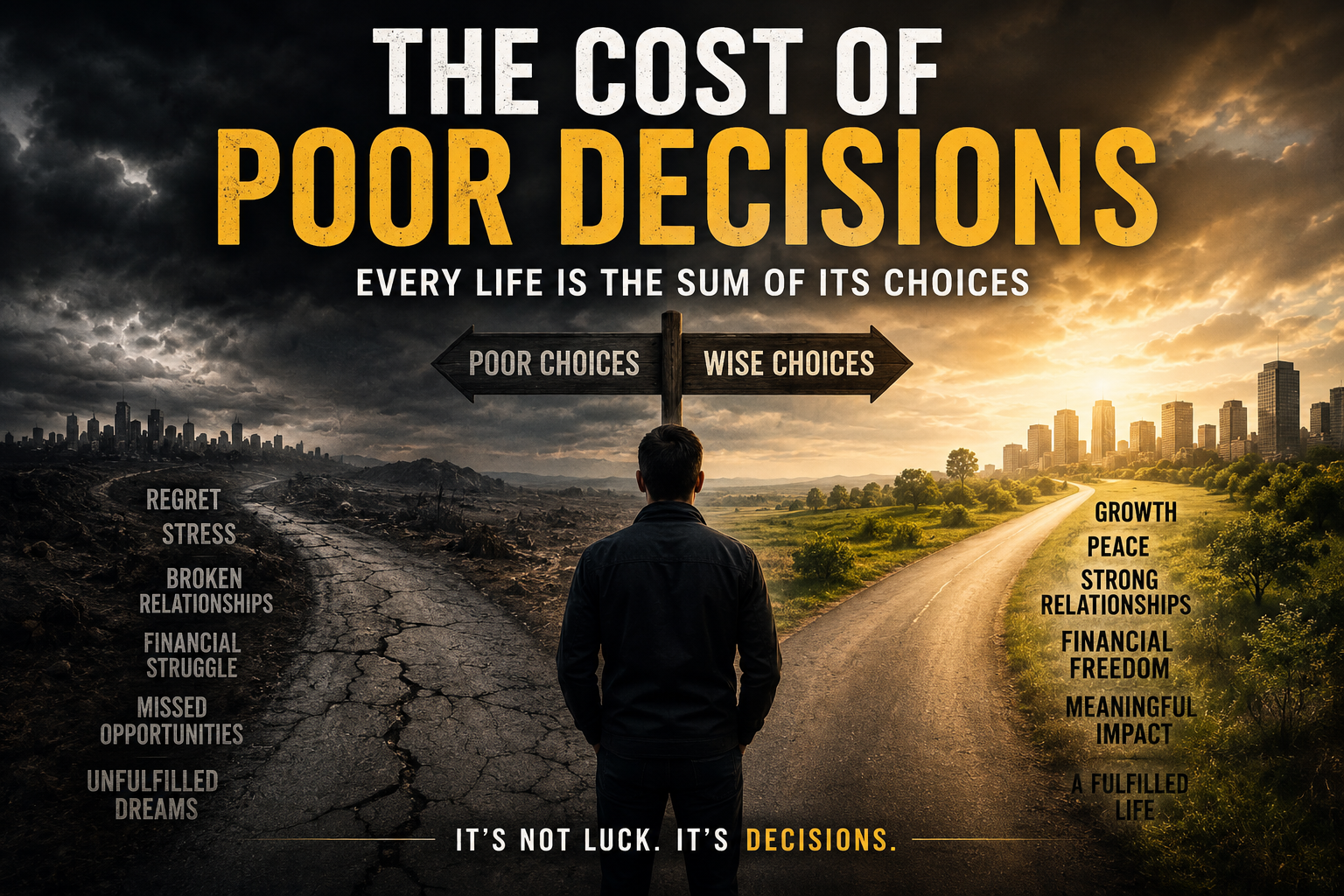
- The Cost of Poor Decisions: Every Life Is the Sum of Its Choices
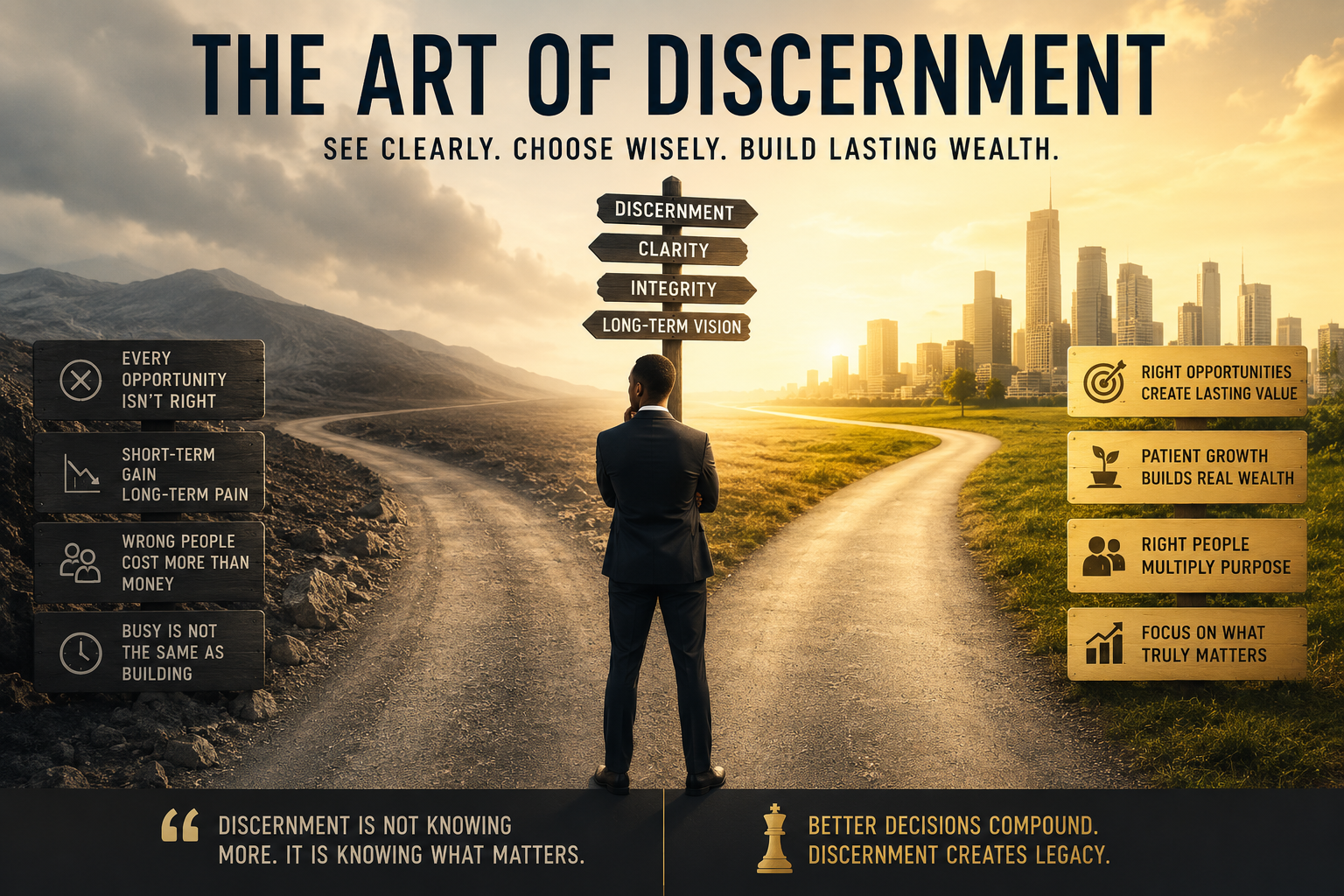
- The Art of Discernment in Business and Wealth Creation
- Why Most Entrepreneurs Stay Busy but Never Build
About the Author
Samuel Moregrace Edehighagba is an entrepreneur, real estate developer, author, speaker, and the founder of The CEO Perspective, a platform dedicated to helping entrepreneurs, professionals, and emerging leaders move from survival to strategy by building the person before the business.
As the Managing Director of Samyaotse Company Limited, Samuel is passionate about wealth creation through ownership, leadership development, and building businesses that create lasting value. Through his writing, podcast, and executive leadership programs, he challenges conventional thinking about success, helping readers develop the mindset, systems, and assets necessary to build a meaningful legacy.
Website: samueledehighagba.com
Connect with Samuel
- LinkedIn: Samuel Moregrace Edehighagba
- Facebook: Samuel Moregrace Edehighagba
- Instagram: @siremoregrace
- Tiktok@sirmoregrace
- Podcast: The CEO Perspective
References
- Federal Reserve. (2024). Changes in U.S. Family Finances from 2019 to 2022: Evidence from the Survey of Consumer Finances.
- National Association of REALTORS®. Homeowners Are 43 Times Wealthier Than Renters.
- CNN Business. (2024). The Median Renter in America Has a Net Worth of $10,400. The Median Homeowner's Net Worth Is Over $400,000.
- CNBC Select. Here's the Average Net Worth of Homeowners and Renters.
- Aspen Institute Financial Security Program. Research on Homeownership and Wealth Building.
- ScienceDirect. Real Estate as an Inflation Hedge: New Evidence from an International Analysis.
- Journal of Real Estate Finance and Economics. Listed Real Estate as an Inflation Hedge Across Regimes.
- Avison Young. Is Real Estate an Inflation Hedge?
- Crestmont Capital. Business Loan Collateral Statistics.
- Crestmont Capital. Small Business Loan Amount Statistics.
- Crestmont Capital. Can Real Estate Be Used as Collateral for Business Loans?
- Trust & Will. Real Estate Inheritance: What Heirs Do and What to Expect.
- Underwood Law. Analyzing the Growing Role of Real Estate in Intergenerational Wealth.
- University of Florida Scholarship Repository. Study on Intestacy and Family Home Wealth Loss.
- Urban Institute. Intergenerational Wealth Transfers and Family Wealth.